
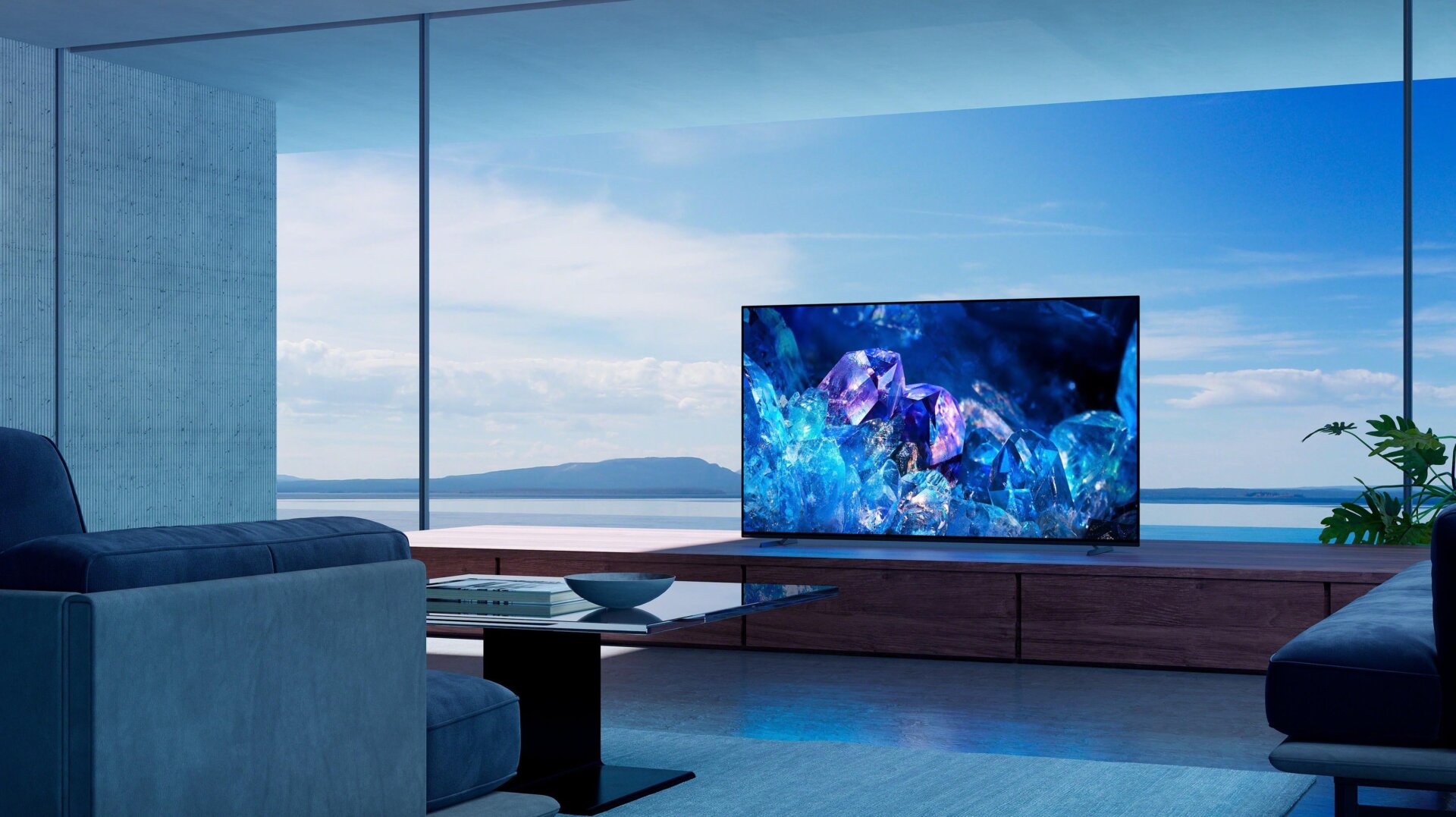
Discover what 8K TV truly offers and if this cutting-edge resolution is the right upgrade for your luxury home entertainme experience. Learn more today!
What Is 8K TV and Do You Need It?
As television technology continues to advance, 8K resolution represents the current pinnacle of display clarity. With four times the pixel count of 4K and sixteen times that of 1080p, 8K delivers an extraordinary level of detail that must be seen to be appreciated. But is it the right investment for your home? The answer depends on several factors worth considering carefully.
Understanding 8K Resolution
An 8K display contains approximately 33 million pixels arranged in a 7680 x 4320 grid. To put this in perspective, a standard 4K TV has about 8.3 million pixels, and a 1080p display has roughly 2 million. This dramatic increase in pixel density means finer details, smoother gradients, and a more lifelike image—particularly noticeable on larger screens.
The effect is similar to the difference between viewing a photograph at standard resolution versus examining a large-format print at close range. Every texture, every strand of hair, every blade of grass appears with remarkable clarity and presence.
The Large-Screen Advantage
8K resolution delivers its most impressive benefits on large-format displays. On screens of 75 inches and larger—sizes increasingly popular in luxury homes throughout Dallas, Southlake, and Scottsdale—the additional pixel density eliminates the subtle screen-door effect that can appear when sitting close to a large 4K panel.
For homeowners designing dedicated media rooms or statement entertainment walls with 85-inch or 98-inch displays, 8K provides a genuinely superior viewing experience. The image remains sharp and detailed even at closer viewing distances, giving you more flexibility in room layout and seating placement.
AI Upscaling: Today's Game Changer
One of the most compelling reasons to consider 8K today is the sophisticated AI upscaling technology built into premium processors. Sony's Cognitive Processor XR and Samsung's Neural Quantum Processor analyze every frame in real time, intelligently adding detail, sharpening textures, and reducing noise to transform 4K content into near-8K quality.
This means you do not need native 8K content to benefit from an 8K display. The upscaling engines in flagship models are remarkably effective, making your existing 4K streaming, Blu-ray collection, and live sports broadcasts look noticeably better than they would on a standard 4K panel.
Native 8K Content Availability
Native 8K content is growing steadily. YouTube supports 8K streaming, select nature documentaries are filmed in 8K, and the Olympics have been captured in 8K resolution. As bandwidth and compression technologies improve, major streaming platforms are expected to introduce 8K tiers in the coming years.
The technology is being adopted by filmmakers and content creators worldwide. Investing in 8K now means your display will be ready to showcase this content at its full potential as availability expands.
When 4K Is the Better Choice
For screens under 65 inches, or in rooms where the viewing distance exceeds 10 feet, the visible difference between 4K and 8K diminishes significantly. The human eye has resolution limits based on distance, and at typical living room distances from a moderately sized screen, 4K delivers an excellent experience.
If your budget is better allocated toward superior HDR performance, OLED contrast, or a complete home theater audio system, a premium 4K display may deliver more overall enjoyment than a mid-tier 8K set.
Future-Proofing Your Investment
A television is a long-term investment, particularly when professionally installed and integrated into your home's design. If you are planning a large-format installation—a flush-mounted 85-inch display in a great room or a 98-inch centerpiece for a media room—8K resolution provides meaningful future-proofing that will keep your system at the forefront of display technology for years to come.
Making the Right Decision
The best way to evaluate whether 8K is right for your space is to experience it in person. Our showrooms in Dallas and Scottsdale feature current 8K models from Sony and Samsung displayed alongside their 4K counterparts, allowing you to compare at the screen sizes and viewing distances relevant to your project.
Explore our current TV offers or schedule a consultation to discuss your ideal display.
Frequently Asked Questions
What is the difference between 8K and 4K TV resolution?
8K resolution features approximately 33 million pixels, which is four times the pixel count of 4K and sixteen times that of 1080p. This increased density results in finer details and smoother gradients, providing a more lifelike image that eliminates the visible pixel grid often seen on very large screens.
What is the best screen size for an 8K TV installation?
8K provides the greatest benefit on large-format displays of 75 inches or larger, which are common in luxury homes in Dallas, Southlake, and Scottsdale. On screens of 85 or 98 inches, 8K allows for sharper images at closer viewing distances, giving you more flexibility in your media room layout.
Do I need special movies or shows to watch on an 8K TV?
While native 8K content is currently limited to platforms like YouTube and select documentaries, modern 8K TVs use AI upscaling processors from brands like Sony and Samsung. These processors intelligently transform 4K streaming and Blu-ray content into near-8K quality, meaning you can enjoy the benefits of your display immediately.
Why does Starpower recommend 8K TVs for luxury home theater projects?
Starpower recommends 8K technology as a way to future-proof your investment, especially when integrating large-format displays into a custom home design. For homeowners planning a professional installation of a 85-inch or 98-inch screen, Starpower suggests 8K to ensure the system remains at the pinnacle of display technology for years to come.
